Diagnoos
Tsöliaakia diagnoosimine
Kõige tõsisem viga on gluteeni eemaldamine toidust enne testimist. See muudab lõpliku diagnoosi saamise palju keerulisemaks.
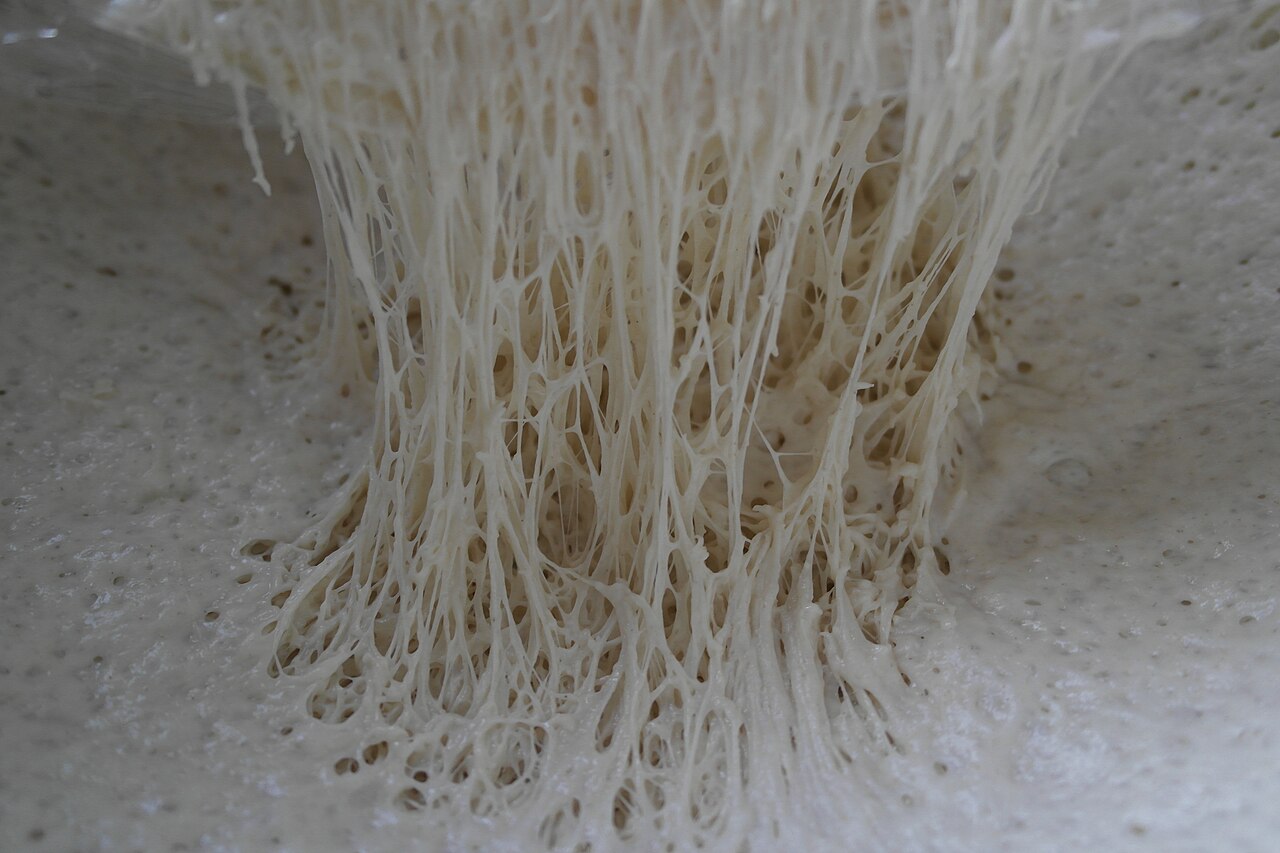

Miks te peate gluteeni tarbimist jätkama
Tsöliaakia diagnoositakse gluteenile suunatud immuunvastuse ja sellest tuleneva soolekahjustuse tuvastamise põhjal. Kui gluteen eemaldada, hakkavad mõlemad taanduma: antikehade tase langeb nädalate kuni kuudega normi lähedale ja soolekarvakesed hakkavad taastuma. Sellel ajal testides on tulemus tõlgendamatu.
Lahendus on gluteeniprovokatsioon — gluteeni teadlik taastarbimine mitme nädala jooksul enne testimist —, mis on piisavalt ebameeldiv, et paljud sellest keelduvad ja jäävad eluaegsele piiravale dieedile diagnoosi saamata. See on tähtsam, kui esmapilgul näib: diagnoosita ei saa te ehk edaspidist luutiheduse jälgimist, tsöliaakiaspetsiifilist dieedinõustamist ega mitmes Euroopa riigis sellega kaasnevaid retsepti- ja soodustusõigusi.
Testimise järjekord
| Etapp | Test | Mida see näitab |
|---|---|---|
| 1 | Koe transglutaminaasi IgA (tTG-IgA) + IgA üldtase | Sõeltest. IgA üldtaset mõõdetakse, sest selle vaegus põhjustab valenegatiivseid tulemusi. |
| 2 | Endomüüsiumi antikeha (EMA), kui tTG tulemus on piiripealne | Väga spetsiifiline kinnitav serologiline test. |
| 3 | Kaksteistsõrmiksoole biopsia, mitu proovi, sealhulgas sibulast (bulbusest) | Soolekarvakeste atroofiat hinnatakse Marshi klassifikatsiooni järgi. Haigus võib esineda laiguti, mistõttu on mitme proovi võtmine oluline. |
| 4 | HLA-DQ2/DQ8 ebaselgetel juhtudel | Negatiivne tulemus välistab tsöliaakia praktiliselt täielikult. |
2025. aasta Euroopa juhised [2] ja American College of Gastroenterology soovitused ühtivad selles üldises käsitluses, erinevused on üksikasjades — eelkõige selles, millal võib biopsiast loobuda.
Diagnostikatee
Potentsiaalne tsöliaakia
Segadust tekitav kategooria: positiivne serologiline test, normaalne biopsia tulemus. Ajakirjas Gut avaldatud süstemaatiline ülevaade ja metaanalüüs uuris selle rühma kliinilisi tulemusi, mis on oluline, kuna ravikäsitluse küsimusele — ravida kohe või jälgida — ei ole ilmset vastust. Paljudel, kuid mitte kõigil, kujuneb aja jooksul välja soolekarvakeste atroofia.
Keda tuleks testida
- Krooniline kõhulahtisus, puhitus või seletamatu kaalulangus.
- Ilmse põhjuseta rauavaegusaneemia — väga sage avaldumisvorm, mille puhul gastroenteroloogiajuhised soovitavad just tsöliaakia testimist [7].
- Esimese astme sugulane, kellel on tsöliaakia — sel juhul on levimus ligikaudu kümme korda kõrgem taustatasemest.
- 1. tüüpi diabeet, autoimmuunne kilpnäärmehaigus ja mitmed teised autoimmuunhaigused, mis sellega koos esinevad.
- Seletamatult tõusnud transaminaasid, korduvad haavandid suus või varane osteoporoos.
- Dermatitis herpetiformis, mis on sisuliselt tsöliaakia nahavorm ja on iseenesest diagnostiline.
Pange tähele, mida sellel loetelus ei ole: ainuüksi puhitus, muude sümptomite puudumisel, on palju sagedamini seotud ärritatud soole sündroomiga — ja ACG-i ärritatud soole sündroomi ravijuhis [4] on enamiku selliste avaldumisvormide puhul asjakohasem dokument. Tsöliaakia ja ärritatud soole sündroom kattuvad piisavalt, et vahetegemine vajab tõesti testimist, mitte oletamist.
Korduma kippuvad küsimused
Kas mind saab diagnoosida biopsiat tegemata?
Kui palju gluteeni tuleb enne testimist tarbida?
Kas kodused antikehatestid on usaldusväärsed?
Mu testid olid negatiivsed, kuid gluteen teeb mind haigeks. Mida nüüd?

Seotud lugemine
References
Every citation below links to the original peer-reviewed record on PubMed or via DOI. Nothing here is a substitute for medical advice.
-
Assessment of growth status and nutritional management of prematurely born infants after hospital discharge: A position paper of the ESPGHAN Nutrition Committee Haiden N, Luque V, Domellöf M, et al. · Journal of pediatric gastroenterology and nutrition · 2025 · Clinical guideline DOIPubMed 40341618
-
European Society for the Study of Coeliac Disease 2025 Updated Guidelines on the Diagnosis and Management of Coeliac Disease in Adults. Part 1: Diagnostic Approach Al-Toma A, Zingone F, Branchi F, et al. · United European gastroenterology journal · 2025 · Clinical guideline DOIPubMed 40999951Full text
-
Italian guidelines for the diagnosis and treatment of functional dyspepsia - joint consensus from the Italian societies of gastroenterology and endoscopy (SIGE), Neurogastroenterology and motility (SINGEM), hospital gastroenterologists and endoscopists (AIGO), digestive endoscopy (SIED) and general medicine (SIMG) Sarnelli G, Pesce M, Barbara G, et al. · Digestive and liver disease : official journal of the Italian Society of Gastroenterology and the Italian Association for the Study of the Liver · 2025 · Clinical guideline DOIPubMed 40628573
-
Global Prevalence of Celiac Disease in Patients With Rome III and Rome IV Irritable Bowel Syndrome: A Systematic Review and Meta-Analysis Shiha MG, Schiepatti A, Manza F, et al. · The American journal of gastroenterology · 2025 · Meta-analysis DOIPubMed 40493044
-
Updated joint ESPGHAN/NASPGHAN guidelines for management of Helicobacter pylori infection in children and adolescents (2023) Homan M, Jones NL, Bontems P, et al. · Journal of pediatric gastroenterology and nutrition · 2024 · Clinical guideline DOIPubMed 39148213
-
Autoimmune diseases and adverse pregnancy outcomes: an umbrella review Singh M, Wambua S, Lee SI, et al. · BMC medicine · 2024 · Systematic review DOIPubMed 38438886Full text
-
Autoimmune diseases and adverse pregnancy outcomes: an umbrella review Singh M, Wambua S, Lee SI, et al. · Lancet (London, England) · 2023 · Systematic review DOIPubMed 37997130
-
ACG Guideline: Diagnosis and Management of Celiac Disease Chaudrey KH · The American journal of gastroenterology · 2023 · Clinical guideline DOIPubMed 36602833
-
ACG Clinical Guideline: Management of Irritable Bowel Syndrome Lacy BE, Pimentel M, Brenner DM, et al. · The American journal of gastroenterology · 2021 · Clinical guideline DOIPubMed 33315591
-
Pediatric Psoriasis Comorbidities Kittler NW, Cordoro KM · Skin therapy letter · 2020 · Clinical guideline PubMed 33196156
-
European Society for the Study of Coeliac Disease (ESsCD) guideline for coeliac disease and other gluten-related disorders Al-Toma A, Volta U, Auricchio R, et al. · United European gastroenterology journal · 2019 · Clinical guideline DOIPubMed 31210940Full text
-
Global Prevalence of Celiac Disease: Systematic Review and Meta-analysis Singh P, Arora A, Strand TA, et al. · Clinical gastroenterology and hepatology : the official clinical practice journal of the American Gastroenterological Association · 2018 · Meta-analysis DOIPubMed 29551598
-
Recommendations to report and interpret HLA genetic findings in coeliac disease Núñez C, Garrote JA, Arranz E, et al. · Revista espanola de enfermedades digestivas · 2018 · Clinical guideline DOIPubMed 29722267
-
Screening for Celiac Disease: US Preventive Services Task Force Recommendation Statement Bibbins-Domingo K, Grossman DC, Curry SJ, et al. · JAMA · 2017 · Clinical guideline DOIPubMed 28350936
-
[GUIDELINES FOR DIAGNOSIS AND TREATMENT OF CELIAC DISEASE] Lazebnik LB, Tkachenko YI, Oreshko LS, et al. · Eksperimental'naia i klinicheskaia gastroenterologiia = Experimental & clinical gastroenterology · 2015 · Clinical guideline PubMed 26387169
-
ISPAD Clinical Practice Consensus Guidelines 2014. Other complications and diabetes-associated conditions in children and adolescents Kordonouri O, Klingensmith G, Knip M, et al. · Pediatric diabetes · 2014 · Clinical guideline DOIPubMed 25182319
-
ACG releases guideline on diagnosis and management of celiac disease Armstrong C · American family physician · 2014 · Clinical guideline PubMed 24695571
-
ACG clinical guidelines: diagnosis and management of celiac disease Rubio-Tapia A, Hill ID, Kelly CP, et al. · The American journal of gastroenterology · 2013 · Clinical guideline DOIPubMed 23609613Full text
-
Joint BSPGHAN and Coeliac UK guidelines for the diagnosis and management of coeliac disease in children Murch S, Jenkins H, Auth M, et al. · Archives of disease in childhood · 2013 · Clinical guideline DOIPubMed 23986560
-
[Recommendations for the regional and federal rosters of celiac disease] Eksperimental'naia i klinicheskaia gastroenterologiia = Experimental & clinical gastroenterology · 2009 · Clinical guideline PubMed 20201298
-
Federation of International Societies of Pediatric Gastroenterology, Hepatology, and Nutrition consensus report on celiac disease Fasano A, Araya M, Bhatnagar S, et al. · Journal of pediatric gastroenterology and nutrition · 2008 · Clinical guideline DOIPubMed 18664878
-
AGA Clinical Practice Update on GI Manifestations and Autonomic or Immune Dysfunction in Hypermobile Ehlers-Danlos Syndrome: Expert Review Aziz Q, Harris LA, Goodman BP, et al. · Clinical gastroenterology and hepatology : the official clinical practice journal of the American Gastroenterological Association · 2025 · Review DOIPubMed 40387691
-
Down Syndrome and Autoimmune Disease Hom B, Boyd NK, Vogel BN, et al. · Clinical reviews in allergy & immunology · 2024 · Review DOIPubMed 38913142Full text
-
AGA Clinical Practice Update on Management of Iron Deficiency Anemia: Expert Review DeLoughery TG, Jackson CS, Ko CW, et al. · Clinical gastroenterology and hepatology : the official clinical practice journal of the American Gastroenterological Association · 2024 · Review DOIPubMed 38864796
-
AGA Clinical Practice Update on Evaluation and Management of Belching, Abdominal Bloating, and Distention: Expert Review Moshiree B, Drossman D, Shaukat A · Gastroenterology · 2023 · Review DOIPubMed 37452811
-
AGA Clinical Practice Update on Management of Refractory Celiac Disease: Expert Review Green PHR, Paski S, Ko CW, et al. · Gastroenterology · 2022 · Review DOIPubMed 36137844
-
Dermatitis Herpetiformis: An Update on Diagnosis and Management Reunala T, Hervonen K, Salmi T · American journal of clinical dermatology · 2021 · Review DOIPubMed 33432477Full text
-
Medical Care of Adults With Down Syndrome: A Clinical Guideline Tsou AY, Bulova P, Capone G, et al. · JAMA · 2020 · Review DOIPubMed 33079159
-
Epidemiology of Celiac Disease Ludvigsson JF, Murray JA · Gastroenterology clinics of North America · 2019 · Review DOIPubMed 30711202
-
Incidence, prevalence, and co-occurrence of autoimmune disorders over time and by age, sex, and socioeconomic status: a population-based cohort study of 22 million individuals in the UK Conrad N, Misra S, Verbakel JY, et al. · Lancet (London, England) · 2023 · Journal article DOIPubMed 37156255
-
Coeliac families Greco L, Troncone R · Acta paediatrica (Oslo, Norway : 1992) · 2002 · Journal article DOIPubMed 11883812