Diagnose
Diagnose von Zöliakie erhalten
Der größte Fehler ist, Gluten vor der Testung zu entfernen. Das macht eine definitive Diagnose viel schwieriger zu erhalten.
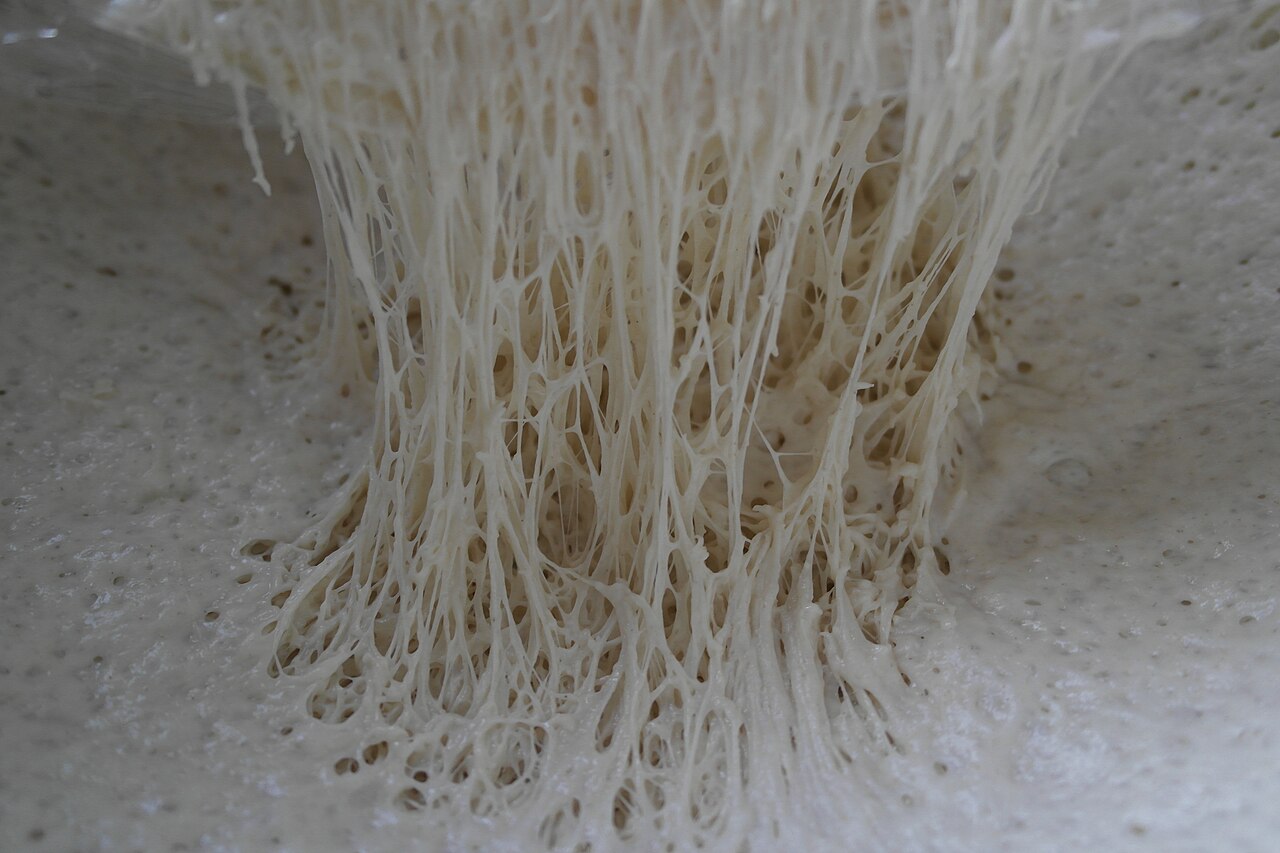

Warum Sie weiterhin Gluten essen müssen
Zöliakie wird diagnostiziert, indem die Immunreaktion auf Gluten und den dadurch verursachten Darmschaden nachgewiesen wird. Entfernen Sie Gluten, und beides verblasst: Antikörper fallen über Wochen bis Monate auf normale Werte, und die Zotten beginnen sich zu erholen. Testen Sie zu diesem Zeitpunkt, und das Ergebnis ist nicht interpretierbar.
Das Mittel ist eine Glutenbelastung — absichtliches Wiedereinführen von Gluten für mehrere Wochen vor der Testung — was unangenehm genug ist, dass viele Menschen es ablehnen und mit einer lebenslangen restriktiven Diät und keiner Diagnose enden. Das ist wichtiger, als es klingt: Ohne eine Diagnose erhalten Sie möglicherweise keine Nachsorge zur Knochendichteüberwachung, keine zöliakiespezifische diätetische Unterstützung oder in mehreren europäischen Ländern die Verschreibungs- und Subventionsansprüche, die damit verbunden sind.
Die Testsequenz
| Schritt | Test | Was es Ihnen sagt |
|---|---|---|
| 1 | Gewebetransglutaminase IgA (tTG-IgA) + Gesamt-IgA | Der Screening-Test. Gesamt-IgA wird gemessen, da ein Mangel falsche Negative verursacht. |
| 2 | Endomysiale Antikörper (EMA), wenn tTG unklar ist | Hochspezifische bestätigende Serologie. |
| 3 | Duodenalbiopsie, mehrere Proben einschließlich des Bulbus | Zottenatrophie, bewertet nach der Marsh-Klassifikation. Patchy Disease ist der Grund, warum mehrere Proben wichtig sind. |
| 4 | HLA-DQ2/DQ8 in unklaren Fällen | Ein negatives Ergebnis schließt Zöliakie effektiv aus. |
Die Richtlinien von 2025 [2] und die Leitlinien des American College of Gastroenterology stimmen in dieser allgemeinen Struktur überein, mit Unterschieden an den Rändern — insbesondere darüber, wann eine Biopsie weggelassen werden kann.
Diagnoseweg
Mögliche Zöliakie
Eine verwirrende Kategorie: positive Serologie, normale Biopsie. Eine systematische Überprüfung und Metaanalyse in Gut untersuchte klinische Ergebnisse in dieser Gruppe, was wichtig ist, da die Managementfrage — jetzt behandeln oder überwachen — keine offensichtliche Antwort hat. Viele, aber nicht alle, entwickeln im Laufe der Zeit eine Zottenatrophie.
Wer sollte getestet werden
- Chronischer Durchfall, Blähungen oder unerklärter Gewichtsverlust.
- Eisenmangelanämie ohne offensichtliche Ursache — eine sehr häufige Präsentation, bei der die gastroenterologischen Leitlinien speziell Zöliakietests ansprechen [7].
- Ein Erstgradverwandter mit Zöliakie, bei dem die Prävalenz etwa zehnmal höher ist als die Hintergrundrate.
- Typ-1-Diabetes, autoimmune Schilddrüsenerkrankungen und mehrere andere autoimmune Erkrankungen, die damit verbunden sind.
- Unerklärte erhöhte Transaminasen, wiederkehrende Mundgeschwüre oder frühe Osteoporose.
- Dermatitis herpetiformis, die effektiv Zöliakie der Haut ist und für sich genommen diagnostisch ist.
Beachten Sie, was nicht auf dieser Liste steht: Blähungen allein, in Abwesenheit von etwas anderem, sind viel häufiger ein Reizdarmsyndrom — und die ACG-Leitlinie zum Management des Reizdarmsyndroms [4] ist das relevantere Dokument für die meisten dieser Präsentationen. Zöliakie und IBS überschneiden sich genug, dass die Unterscheidung tatsächlich Tests erfordert, anstatt zu raten.
Häufige Fragen
Kann ich ohne Biopsie diagnostiziert werden?
Wie viel Gluten muss ich vor der Testung essen?
Sind Antikörper-Heimtests zuverlässig?
Meine Tests waren negativ, aber Gluten macht mich krank. Was nun?

Related reading
References
Every citation below links to the original peer-reviewed record on PubMed or via DOI. Nothing here is a substitute for medical advice.
-
Assessment of growth status and nutritional management of prematurely born infants after hospital discharge: A position paper of the ESPGHAN Nutrition Committee Haiden N, Luque V, Domellöf M, et al. · Journal of pediatric gastroenterology and nutrition · 2025 · Clinical guideline DOIPubMed 40341618
-
European Society for the Study of Coeliac Disease 2025 Updated Guidelines on the Diagnosis and Management of Coeliac Disease in Adults. Part 1: Diagnostic Approach Al-Toma A, Zingone F, Branchi F, et al. · United European gastroenterology journal · 2025 · Clinical guideline DOIPubMed 40999951Full text
-
Italian guidelines for the diagnosis and treatment of functional dyspepsia - joint consensus from the Italian societies of gastroenterology and endoscopy (SIGE), Neurogastroenterology and motility (SINGEM), hospital gastroenterologists and endoscopists (AIGO), digestive endoscopy (SIED) and general medicine (SIMG) Sarnelli G, Pesce M, Barbara G, et al. · Digestive and liver disease : official journal of the Italian Society of Gastroenterology and the Italian Association for the Study of the Liver · 2025 · Clinical guideline DOIPubMed 40628573
-
Global Prevalence of Celiac Disease in Patients With Rome III and Rome IV Irritable Bowel Syndrome: A Systematic Review and Meta-Analysis Shiha MG, Schiepatti A, Manza F, et al. · The American journal of gastroenterology · 2025 · Meta-analysis DOIPubMed 40493044
-
Updated joint ESPGHAN/NASPGHAN guidelines for management of Helicobacter pylori infection in children and adolescents (2023) Homan M, Jones NL, Bontems P, et al. · Journal of pediatric gastroenterology and nutrition · 2024 · Clinical guideline DOIPubMed 39148213
-
Autoimmune diseases and adverse pregnancy outcomes: an umbrella review Singh M, Wambua S, Lee SI, et al. · BMC medicine · 2024 · Systematic review DOIPubMed 38438886Full text
-
Autoimmune diseases and adverse pregnancy outcomes: an umbrella review Singh M, Wambua S, Lee SI, et al. · Lancet (London, England) · 2023 · Systematic review DOIPubMed 37997130
-
ACG Guideline: Diagnosis and Management of Celiac Disease Chaudrey KH · The American journal of gastroenterology · 2023 · Clinical guideline DOIPubMed 36602833
-
ACG Clinical Guideline: Management of Irritable Bowel Syndrome Lacy BE, Pimentel M, Brenner DM, et al. · The American journal of gastroenterology · 2021 · Clinical guideline DOIPubMed 33315591
-
Pediatric Psoriasis Comorbidities Kittler NW, Cordoro KM · Skin therapy letter · 2020 · Clinical guideline PubMed 33196156
-
European Society for the Study of Coeliac Disease (ESsCD) guideline for coeliac disease and other gluten-related disorders Al-Toma A, Volta U, Auricchio R, et al. · United European gastroenterology journal · 2019 · Clinical guideline DOIPubMed 31210940Full text
-
Global Prevalence of Celiac Disease: Systematic Review and Meta-analysis Singh P, Arora A, Strand TA, et al. · Clinical gastroenterology and hepatology : the official clinical practice journal of the American Gastroenterological Association · 2018 · Meta-analysis DOIPubMed 29551598
-
Recommendations to report and interpret HLA genetic findings in coeliac disease Núñez C, Garrote JA, Arranz E, et al. · Revista espanola de enfermedades digestivas · 2018 · Clinical guideline DOIPubMed 29722267
-
Screening for Celiac Disease: US Preventive Services Task Force Recommendation Statement Bibbins-Domingo K, Grossman DC, Curry SJ, et al. · JAMA · 2017 · Clinical guideline DOIPubMed 28350936
-
[GUIDELINES FOR DIAGNOSIS AND TREATMENT OF CELIAC DISEASE] Lazebnik LB, Tkachenko YI, Oreshko LS, et al. · Eksperimental'naia i klinicheskaia gastroenterologiia = Experimental & clinical gastroenterology · 2015 · Clinical guideline PubMed 26387169
-
ISPAD Clinical Practice Consensus Guidelines 2014. Other complications and diabetes-associated conditions in children and adolescents Kordonouri O, Klingensmith G, Knip M, et al. · Pediatric diabetes · 2014 · Clinical guideline DOIPubMed 25182319
-
ACG releases guideline on diagnosis and management of celiac disease Armstrong C · American family physician · 2014 · Clinical guideline PubMed 24695571
-
ACG clinical guidelines: diagnosis and management of celiac disease Rubio-Tapia A, Hill ID, Kelly CP, et al. · The American journal of gastroenterology · 2013 · Clinical guideline DOIPubMed 23609613Full text
-
Joint BSPGHAN and Coeliac UK guidelines for the diagnosis and management of coeliac disease in children Murch S, Jenkins H, Auth M, et al. · Archives of disease in childhood · 2013 · Clinical guideline DOIPubMed 23986560
-
[Recommendations for the regional and federal rosters of celiac disease] Eksperimental'naia i klinicheskaia gastroenterologiia = Experimental & clinical gastroenterology · 2009 · Clinical guideline PubMed 20201298
-
Federation of International Societies of Pediatric Gastroenterology, Hepatology, and Nutrition consensus report on celiac disease Fasano A, Araya M, Bhatnagar S, et al. · Journal of pediatric gastroenterology and nutrition · 2008 · Clinical guideline DOIPubMed 18664878
-
AGA Clinical Practice Update on GI Manifestations and Autonomic or Immune Dysfunction in Hypermobile Ehlers-Danlos Syndrome: Expert Review Aziz Q, Harris LA, Goodman BP, et al. · Clinical gastroenterology and hepatology : the official clinical practice journal of the American Gastroenterological Association · 2025 · Review DOIPubMed 40387691
-
Down Syndrome and Autoimmune Disease Hom B, Boyd NK, Vogel BN, et al. · Clinical reviews in allergy & immunology · 2024 · Review DOIPubMed 38913142Full text
-
AGA Clinical Practice Update on Management of Iron Deficiency Anemia: Expert Review DeLoughery TG, Jackson CS, Ko CW, et al. · Clinical gastroenterology and hepatology : the official clinical practice journal of the American Gastroenterological Association · 2024 · Review DOIPubMed 38864796
-
AGA Clinical Practice Update on Evaluation and Management of Belching, Abdominal Bloating, and Distention: Expert Review Moshiree B, Drossman D, Shaukat A · Gastroenterology · 2023 · Review DOIPubMed 37452811
-
AGA Clinical Practice Update on Management of Refractory Celiac Disease: Expert Review Green PHR, Paski S, Ko CW, et al. · Gastroenterology · 2022 · Review DOIPubMed 36137844
-
Dermatitis Herpetiformis: An Update on Diagnosis and Management Reunala T, Hervonen K, Salmi T · American journal of clinical dermatology · 2021 · Review DOIPubMed 33432477Full text
-
Medical Care of Adults With Down Syndrome: A Clinical Guideline Tsou AY, Bulova P, Capone G, et al. · JAMA · 2020 · Review DOIPubMed 33079159
-
Epidemiology of Celiac Disease Ludvigsson JF, Murray JA · Gastroenterology clinics of North America · 2019 · Review DOIPubMed 30711202
-
Incidence, prevalence, and co-occurrence of autoimmune disorders over time and by age, sex, and socioeconomic status: a population-based cohort study of 22 million individuals in the UK Conrad N, Misra S, Verbakel JY, et al. · Lancet (London, England) · 2023 · Journal article DOIPubMed 37156255
-
Coeliac families Greco L, Troncone R · Acta paediatrica (Oslo, Norway : 1992) · 2002 · Journal article DOIPubMed 11883812